Our associate rector the Rev. Dr. Craig Lemming; our deacon the Rev. Judy DesHarnais; our seminarian Trevor Sannes; and parishioner and lay leader Susan Creel have been meeting to discuss and plan how we can begin the work of greater and more purposeful Disability Awareness and Inclusion here at St. John’s.
July is Disability Pride Month, and will mark the kickoff of this work of inclusion. From now through the end of July, we are offering a series of weekly articles written by parishioners who experience disabilities, both visible and invisible. In these reflections, they will share how their disabilities intersect with their faith and participation in the church community.
by Trevor Sannes
In elementary school, I began to realize I wasn’t like my classmates. I remember endless testing and being pulled out of the main classroom for separate instruction in reading, spelling, and math. These were the “special education” classes, and my classmates made sure I knew I was different. Being called “special ed” was painful, and those were not my favorite school days. I often prayed to God to help me get through them, wishing I could be back on the farm with my pets instead of struggling in class.
Even so, I had teachers who pushed me. I still remember being required to participate in the school spelling competition. I dreaded walking to the chalkboard, hoping the word would be something I recognized. It usually wasn’t. When I misspelled a word, classmates would shout, “That was so easy! Why didn’t you get it right?” Those moments stayed with me.
I also remember struggling with words like there, their, they’re and what, when, were, where, and why. Later, I learned more about dyslexia and how it affects me. Dyslexia is a neurobiological learning disability that primarily impacts reading and language processing. It causes difficulties with word recognition, decoding, and spelling — challenges that shaped much of my early education.
It wasn’t until junior high that I began to understand what my learning disability meant. I realized I didn’t learn the same way as others, which led to being placed in special education for several subjects. The label came with stigma, but my special education teachers helped me understand my challenges and introduced me to stories of others with similar experiences. That’s when I learned I had dyslexia — a turning point that changed everything. I began to thrive academically, eventually making the honor roll and joining the math league team in high school.
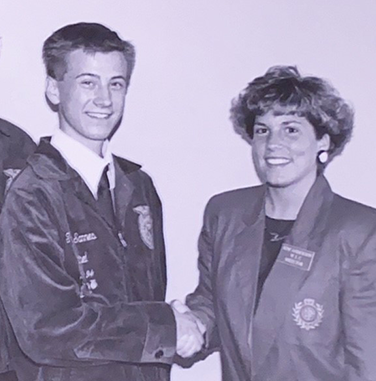
I still remember the day the honor roll list was posted. I didn’t rush to look at it, assuming my name wouldn’t be there. Then a classmate shouted, “How did Trevor make the honor roll? He’s in special ed!” Some laughed, but I felt a mix of pride and disbelief. It was true — I had made the B honor roll. That moment lit a fire in me and fueled my desire to learn.
With the support of teachers and parents, I was accepted to the University of Wisconsin–River Falls, where I studied Food Science with a dairy emphasis. During my time there, I studied abroad in Scotland in 1997 and made the Dean’s List. I served as president of the Food Science Club, worked in the dairy plant, created the dairy plant lab training guide, and even passed the pasteurization exam. College brought many successes — and challenges — but it taught me resilience.
I also remember watching a late-night news segment about a law student with dyslexia whose mother read all his textbooks and helped write his papers. I was fascinated — and hopeful. But the next day, a classmate said he shouldn’t be in college at all. Her comment stung. It reminded me how misunderstood learning disabilities can be, and how easily people make assumptions about what someone with a disability can or cannot do.
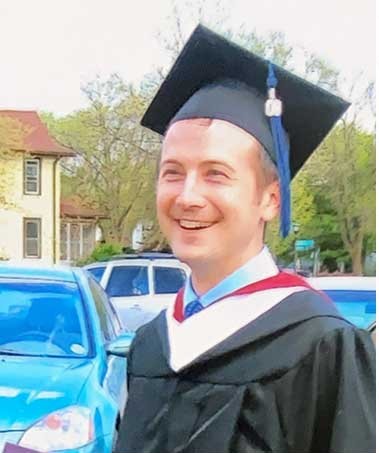
After college, my first job was at AnaCon Foods, a small family-owned company. When leadership asked questions about my work, I decided to be honest and shared that I had dyslexia. Their surprised reaction made me uneasy. The owner told me he “knew” what dyslexia was because it was a Greek word — he was Greek — but soon after, he changed my job responsibilities and removed my customer contact. It was clear he didn’t understand my disability at all.
One example stands out: I was trying to send a fax and couldn’t get it to go through. I asked the admin for help, walked her through my process, and she pointed out that although I was saying the correct number and reading the correct number, I kept typing the digits in a different order. That moment was a reminder of how dyslexia shows up in ways others don’t always see.
At another job before Cargill, I told my manager I had dyslexia and needed more time for written reports. He looked shocked and told me not to tell anyone else. I remember feeling ashamed, as though I had done something wrong by being honest. It is hard to be your full, true self when you have to hide parts of who you are. But God made me this way for a reason, and I’ve learned to trust that.
After four years in the food industry, I returned to school for a master’s degree in management at Hamline University. I chose the program because it focused on people — how to motivate, build dynamic teams, and drive results. These values resonated deeply with me and helped me grow both personally and professionally.
Today, I work at Cargill as a Senior Technical Services Specialist, supporting salt solutions in the food service industry. I’m currently leading a project to launch a new salt offering in spring 2026. I’m also active in two Business Resource Groups: iCAN (Cargill Ability Network) and CPN (Cargill Pride Network). Through iCAN, I had the opportunity to share my story publicly — something I never imagined doing years ago.
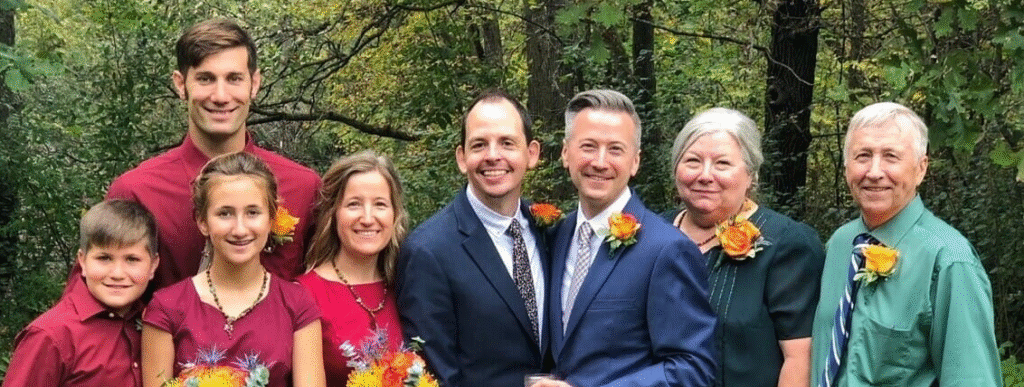
Living with a learning disability, being gay, and nurturing a strong faith have shaped my journey toward becoming a Deacon. My hope is to serve those on the margins, especially those who have been hurt by past faith experiences. My faith, family, and friends keep me moving forward.
We need to be open to people with different abilities and recognize that there are many ways to accomplish the same task — and that’s okay. My career has included many successes, but also many challenges that required me to adapt and learn how to work with my disability. High school was only the beginning of learning the tools and skills I needed to reach my goals. Even today, I continue to grow, but it gets easier as I learn more about myself.